
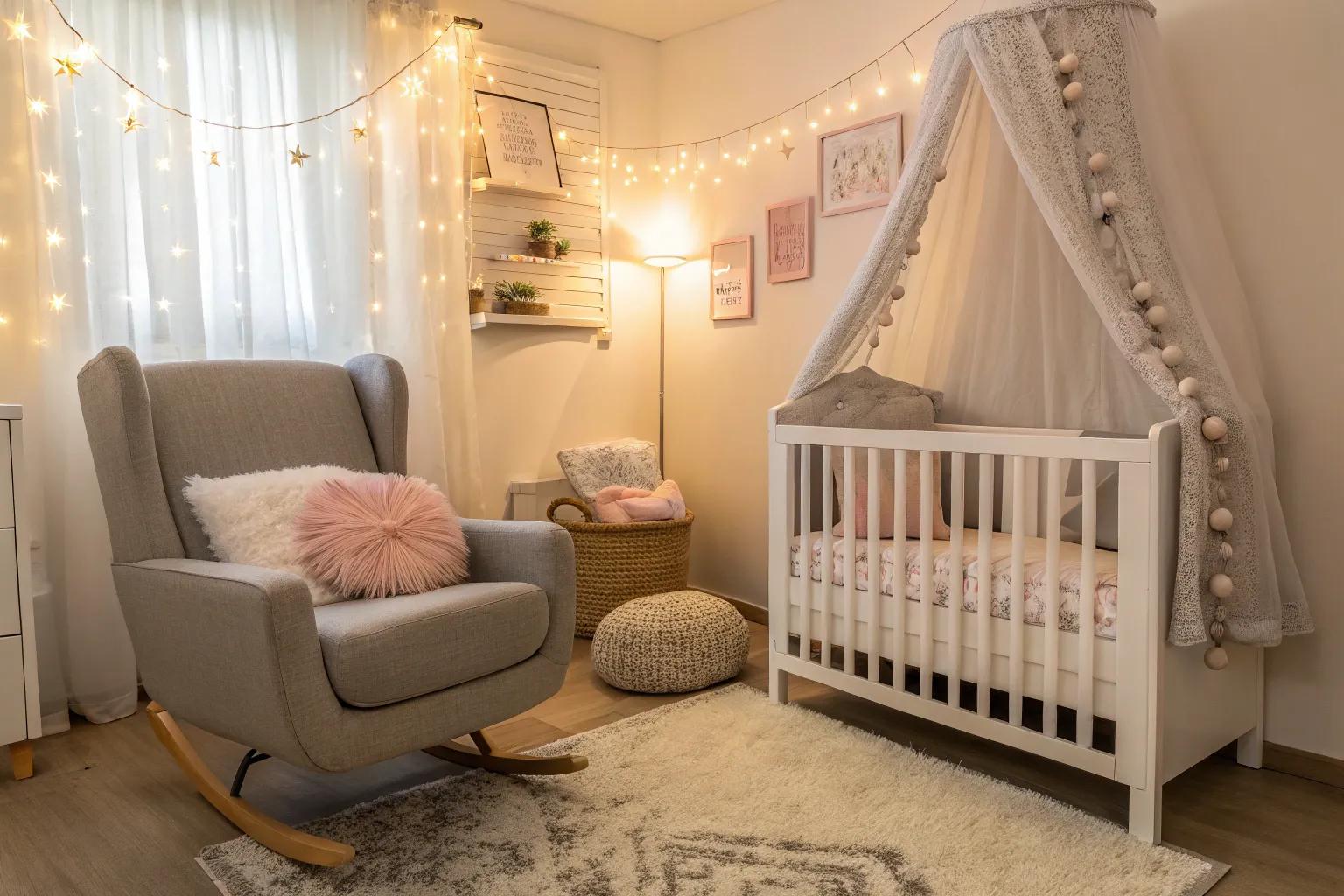
Designing a baby room is like setting the stage for your little one’s first adventures. Let’s explore some creative ideas to make this space as special as your new arrival.
1. Create a Soothing Color Palette

When it comes to designing a baby room, soft, soothing colors are your best friend. I remember choosing a pale mint green for my niece’s nursery, and it created such a calming atmosphere. This approach is central to many minimalist kids’ room ideas. Consider colors like soft blues, gentle yellows, or even a calming lavender to set a tranquil tone.
2. Incorporate Natural Materials

Using natural materials like wood and cotton can add warmth and texture to your baby’s room. I once designed a nursery using a beautiful wooden crib and it brought an earthy touch that was both modern and timeless. Speaking of organizing the space, you can also explore some DIY baby closet ideas. Look for wooden toys or woven baskets to enhance this natural vibe.
3. Add a Touch of Whimsy with Wall Art

Wall art is an easy way to introduce some personality into the nursery. I love using whimsical art like playful animal prints or dreamy landscapes; for a bright and cheerful option, consider some creative rainbow room ideas. These can serve as a captivating focal point for the baby and a conversation starter for visitors.
4. Utilize Multi-Functional Furniture

Maximize your space by choosing multi-functional furniture. I once used a dresser that doubled as a changing table, and it was a lifesaver in a small room. For more ways to keep things tidy, see these smart baby room storage ideas. Look for items that can grow with your child, like a convertible crib or a rocking chair that transforms into a toddler chair.
5. Introduce a Touch of Nature

Bringing elements of nature into the nursery can be both calming and visually interesting. In one project, I added a few potted plants and some nature-inspired wall decals. For a different take on bringing the outside in, explore some imaginative space-themed bedroom ideas. Consider using tree or leaf motifs to create a peaceful, organic feel.
6. Opt for Gender-Neutral Design

If you’re going for a surprise or planning for multiple children, a gender-neutral design is a smart choice. I prefer using neutral colors like greys and whites, a palette often featured in modern minimalist kids’ rooms, complemented by pops of color from accessories. This flexibility allows the room to adapt as your family grows.
7. Incorporate Vintage Pieces

Vintage pieces can add a sense of history and charm to a baby room. I once found an old rocking chair at a flea market and it became the centerpiece of the nursery. This type of charming find would also be perfect for some whimsical doll room ideas. Look for unique pieces that can tell a story and add character to the space.
8. Embrace Bold Patterns

Don’t shy away from bold patterns in your baby room. I once used a striking geometric wallpaper, but you can achieve a similar effect with some vibrant rainbow room decor. Patterns can add vibrancy and stimulate your baby’s developing senses.
9. Create a Cozy Reading Nook

A reading nook can be a delightful addition to your baby’s room. When I designed my nephew’s nursery, we added a small bookshelf and a comfy chair for storytime. If you need inspiration for organizing books and toys, check out these helpful baby room storage ideas. It’s a cozy corner that encourages bonding and early literacy.
10. Use Soft Textures for Comfort

Incorporating soft textures can make the nursery feel extra cozy and welcoming. I love using plush rugs and soft blankets to add layers of comfort. Creating a cozy environment is especially key in a shared space, like those seen in these big sister little sister room ideas. These elements can create a warm and inviting environment for both baby and parent.
11. Add a Personal Touch with Custom Decor

Personalized decor can make your baby’s room feel special. In a recent project, I used custom name letters above the crib, which added a personal touch. For a different take on detailed decor, you might find inspiration in these creative miniature room ideas. Consider incorporating items that reflect your family’s personality and style.
12. Optimize Lighting for a Cozy Ambiance

Lighting plays a crucial role in setting the mood of a nursery. I always recommend soft, adjustable lighting, like dimmable lamps or glowing string lights. These options provide the right ambiance for bedtime or playtime.
13. Incorporate Educational Elements

Why not add a touch of education to your nursery decor? I once used an alphabet rug that was both decorative and educational. As your child grows, their room will evolve, much like these fun 10-year-old room ideas. Little touches like this can spark curiosity and learning right from the start.
14. Design a Functional Layout

A well-thought-out layout can make life easier for new parents. I like to place the crib close to the changing station for convenience. Think about how you will move through the space and organize it for efficiency.
15. Include Safe Play Areas

As your baby grows, a safe play area becomes essential. I love using soft foam mats or a designated play corner. These areas, which can be filled with anything from blocks to imaginative doll room settings, allow your baby to explore and play safely within the nursery.
16. Add a Statement Ceiling

A statement ceiling can add drama and interest to a nursery. I’ve painted ceilings in starry night themes or soft clouds to inspire imagination. Don’t neglect this fifth wall; it can be a surprising element of design.
17. Incorporate Cultural Elements

Infusing cultural elements into the nursery can be a beautiful nod to heritage. For my own children, I included traditional Indian patterns and textiles. This is just one approach; for a different aesthetic, you can explore minimalist kids’ room ideas. It’s a wonderful way to celebrate family roots and pass on cultural stories.
18. Use Mirrors to Enhance Space

Mirrors can make small nurseries feel larger and more open. I’ve used a well-placed mirror to reflect light and visually expand the room. Plus, babies love watching their reflections, which can be a fun interactive element.
19. Focus on Safety and Comfort

Above all, prioritize safety and comfort in your baby room design. Ensure all furniture is secured, and choose non-toxic materials. Implementing some smart baby room storage ideas can also help keep the space tidy and safe. A safe environment will give you peace of mind as your little one grows and explores.