
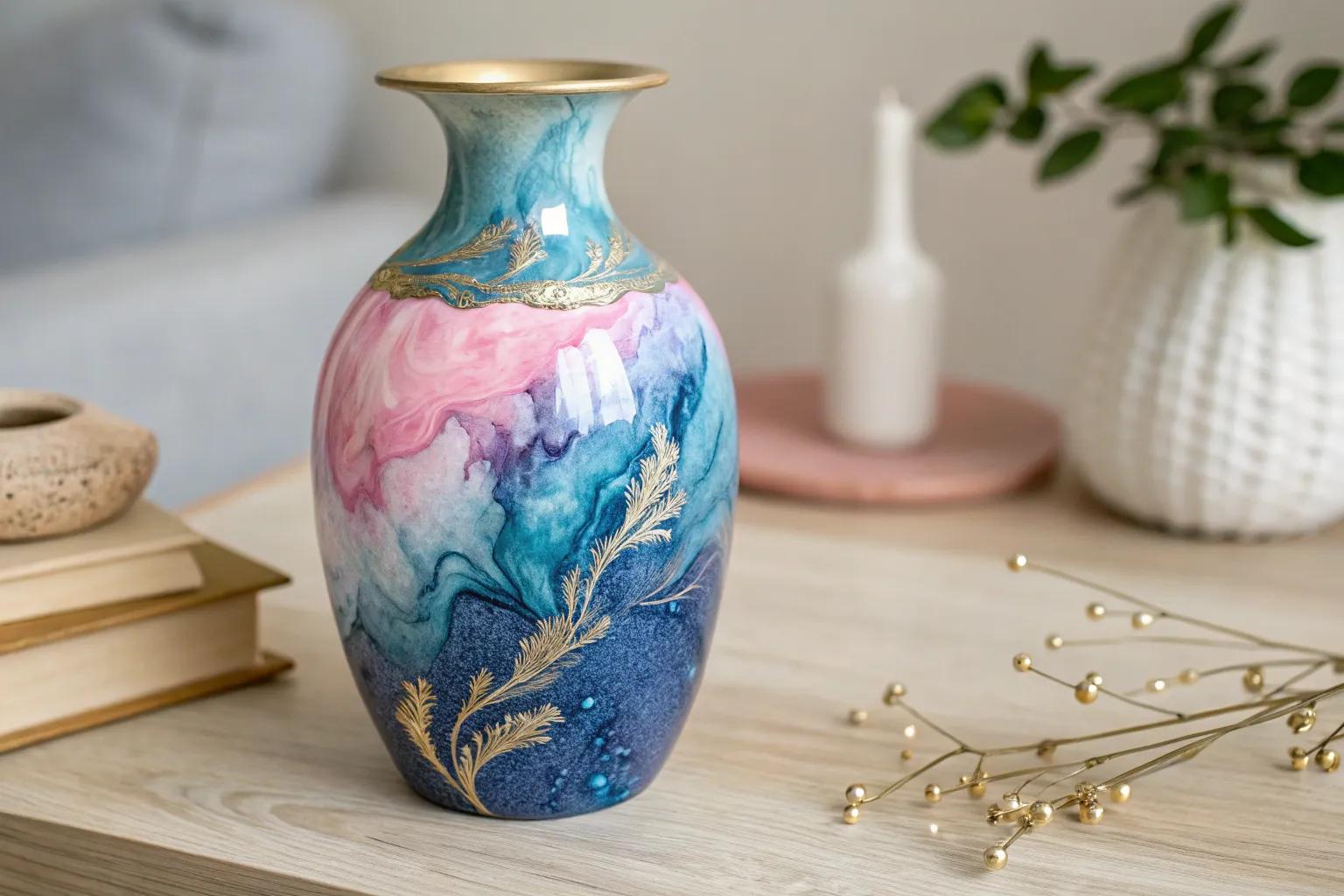
Ceramic glazing is like adding the final flourish to your pottery masterpiece – it’s where creativity truly comes alive. With a little bit of imagination and a dash of daring, you can transform your pieces into vibrant works of art that reflect your unique style.
1. Bubble Glazing Magic

Ever wanted to feel like a kid again while creating art? Bubble glazing lets you do just that by blowing bubbles in underglaze to create whimsical patterns on your pottery. It’s a delightful technique that never fails to bring a smile to my face, and the results are always surprising!
2. Layered Brushing

Use a brush to layer glazes in different directions for rich, textured finishes. It’s a technique that requires some patience, but the depth and character it brings to your pieces are truly rewarding. Explore our pottery glaze ideas to find new color combinations for your next project.
3. Dramatic Dripping

Create bold, organic patterns with dripping glaze. I love how the glaze flows over the piece, creating natural lines and dramatic effects that make each piece one-of-a-kind. Explore more simple pottery glaze designs to enhance your next project.
4. Unexpected Color Combos

Dare to combine unusual color combinations for a surprise twist. Mixing and matching glazes can lead to unexpected beauty, and I love seeing what new shades emerge from the kiln. You can experiment with these effects by trying out some creative ceramic test tile ideas.
5. Colorful Dipping

Dipping your pottery into a glaze is a straightforward way to achieve an even coat, but experimenting with multiple dips and colors can lead to surprising and vibrant results. You can explore more techniques in our guide to beginner pottery wheel projects.
6. Nature-Inspired Ash Glazes

Get a rich, earthy finish with ash glazes, which draw their hues from natural materials. Different ashes create unique colors, and I adore how this method connects my ceramics to the natural world. You can even use these organic finishes on creative ceramic garden markers to blend your pottery into your landscape.
7. Sprayed Perfection

Spray your glaze for a smooth, even finish that’s perfect for gradients and blending. It’s like airbrushing your ceramics with magic, and I find it ideal for creating seamless color transitions on creative pottery bowls.
8. Layered Textures

Combine multiple texturing techniques for a complex surface. By layering stippling, sponging, and glaze trailing, you can create a dynamic, multi-dimensional look that captivates.
9. Sponging for Texture

Use a sponge to dab on glaze for a soft, textured effect. The gentle touch of a sponge can turn a plain surface into a tactile wonderland, making your pottery a joy to both see and feel. Try this technique when creating stunning pottery platters to add depth to your designs.
10. Oxide Highlights

Add pops of color with oxide washes, which can accentuate details and add a rustic charm. I often use this technique to highlight textures or create subtle hues that catch the eye. For more ways to organize your colors, explore these ceramic paint palette ideas.
11. Syringe Swirls

For a graceful, flowing effect, try syringe glazing. Fill a syringe with glaze and let it flow across your piece, creating mesmerizing swirls and waves that merge beautifully when fired. It’s a simple yet elegant way to add texture and movement to your ceramics.
12. Stunning Stippling

Add depth with the stippling technique, which uses small dots to create texture and shadow effects. It’s a bit like pointillism on pottery, and layering different colors can add incredible dimension. Explore more unique pottery ideas to elevate your home decor.
13. Glaze Trailing

Draw intricate designs on your pottery with glaze trailing, using a squeeze bottle for raised patterns. It gives your pieces a tactile quality and allows your creativity to shine through detailed lines and shapes. Explore these inspiring pottery ideas to find more ways to decorate your home.
14. Mocha Diffusion Artistry

Channel the beauty of nature with the mocha diffusion technique, which creates tree-like forms using a vinegar mixture. Watching the design spread on the clay, like veins in a leaf, never ceases to amaze me, and it adds an organic touch to any piece.
15. Wax Resist Wonders

With wax resist and multiple glazes, you can create intricate designs that reveal layers beneath. It’s like a secret waiting to be uncovered once the piece is fired.
16. Masking Tape Patterns

Create crisp and clean designs with masking tape resist. The joy of peeling away the tape to reveal a perfect pattern is akin to unwrapping a present, and it’s a great way to play with lines and shapes. Explore more creative masking tape art ideas to expand your project repertoire.
17. Underglaze and Wax Resist

Combine color with intrigue using wax resist to reveal clay bodies beneath the glaze. This technique is perfect for adding depth and variety, and I love how it allows each layer of color to tell its own story. You can apply these methods to your next project by exploring these creative clay art mug ideas.
18. Translucent Layers

Apply thin, translucent glazes over textured surfaces to let the clay body peek through. It’s a subtle approach that adds depth and lets the natural beauty of the clay shine. You can use this technique to elevate your creative clay plate ideas.
19. Glaze Sgraffito

Etch into the glaze layer with sgraffito for fine, detailed designs. It’s a bit like drawing on clay, and the contrast it creates is simply stunning against the smooth glaze. You can use this technique to create unique patterns on your clay bowls.