
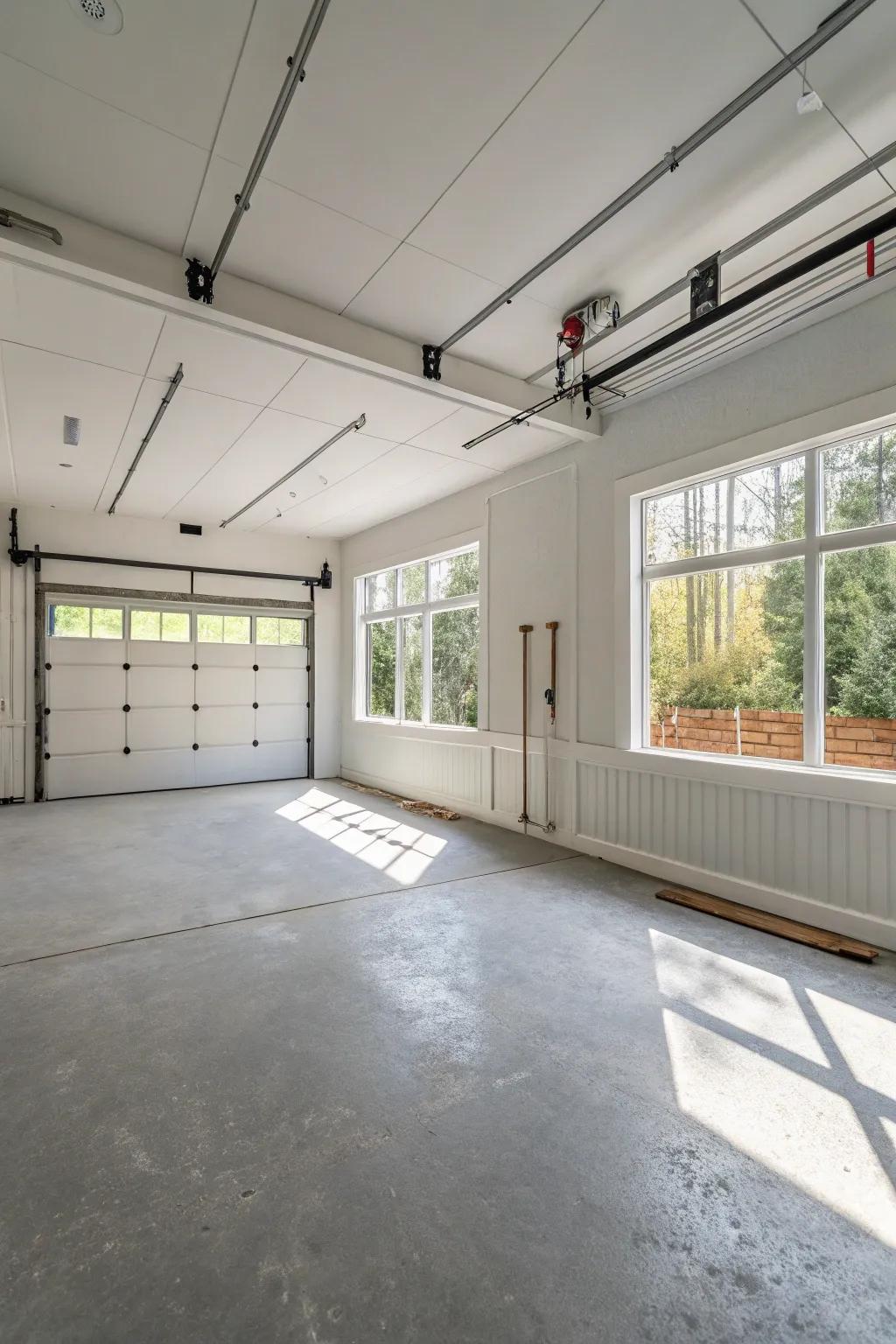
Turning your garage into a playroom is a brilliant way to maximize space and create a dedicated area for your kids to play and learn. With a little creativity, this often-overlooked part of the home can become a magical wonderland for your children.
1. Declutter and Clean

Start by decluttering your garage to make room for new adventures. Clean out any unnecessary items and give the space a good sweep. In my experience, a clean slate makes it easier to visualize the possibilities, including some of these creative family playroom ideas.
2. Install Soft Flooring

Opt for soft flooring like foam mats or carpet tiles to keep little feet safe. This is especially important if you have concrete floors. Similar to the principles found in minimalist kids’ room ideas, this approach prioritizes safety and simplicity. I’ve found that adding colorful mats can also make the space look cheerful and inviting.
3. Create a Reading Nook

A cozy reading nook can spark a love for books. Add a few bean bags and a small bookshelf to make this area inviting. In my own designs, I always ensure there’s good lighting to make reading time comfortable.
4. Incorporate a Craft Station

Set up a craft station with a kid-sized table and chairs. Stock it with crayons, paper, and other supplies to foster creativity. From my experience, having a designated craft area keeps creative messes contained, a key feature in many fun family playroom designs.
5. Ensure Proper Ventilation

Good ventilation is crucial for a comfortable playroom, especially for spaces highlighted in basement playhouse ideas. Consider adding windows or a fan to keep the air fresh. In my projects, I always prioritize airflow to ensure a pleasant environment for kids.
6. Use Non-Toxic Paints

Choose non-toxic paints in bright, simple colors to liven up the space. Safe air quality is paramount, especially for children. I’ve experimented with different palettes, and cheerful hues always win.
7. Incorporate Storage Solutions

Smart storage solutions keep the playroom organized and clutter-free. Use shelves, bins, and cubbies to store toys and supplies, a technique also essential for these small game room ideas. Personally, I’ve found that labeled bins make clean-up a breeze for kids.
8. Design a Sensory Area

A sensory area can provide a calming retreat for children. Incorporate elements like soft lights, tactile toys, and soothing sounds. This has been a hit in many of my designs, offering a peaceful escape.
9. Add a Musical Corner

Inspire creativity with a musical corner featuring instruments like a small keyboard or percussion set. Music can be a joyful outlet for kids, much like the entertainment featured in retro game room concepts. From my perspective, this often becomes a favorite spot for little musicians.
10. Install a Chalkboard Wall

A chalkboard wall offers endless creativity and expression. This simple, multi-functional feature fits well with many minimalist kids’ room ideas. Kids can doodle, write, and erase as much as they like. I’ve seen this simple addition transform a space into an interactive art zone.
11. Create a Small Theater Area

Turn a corner into a small theater with a projector or a simple TV setup. This is just one of many small recreation room ideas that can transform a space. Add bean bags or cushions for comfy viewing. In my designs, this area becomes a cozy spot for movie nights or puppet shows.
12. Include a Science Exploration Zone

Encourage curiosity with a science exploration zone. Use a table for experiments and display educational posters. Similar to other creative family playroom ideas, I’ve seen kids’ faces light up in spaces dedicated to discovery.
13. Set Up a Pretend Play Area

Pretend play is critical for development, so create an area with costumes and props. These miniature room ideas can be anything from a mini kitchen to a doctors’ office. In my experience, these zones fuel imagination and storytelling.
14. Incorporate Interactive Wall Décor

Interactive wall décor like magnetic boards or pegboards can engage kids for hours. They also double as storage or display areas. I love how they add functionality while keeping the space dynamic, a key principle in many small game room concepts.
15. Use Colorful Lighting

Add colorful lighting to create a playful atmosphere. String lights or LED strips can add warmth and interest. Especially popular in retro game room designs, lighting often becomes a defining feature of the playroom’s ambiance.
16. Install Safety Features

Safety is paramount, so install safety features like outlet covers and secure furniture to walls, which is essential for any basement playhouse setup. Regularly inspect the playroom for hazards. It’s always my priority to ensure the space is safe for endless play.
17. Integrate Nature Elements

Bring a bit of the outside in with nature elements like potted plants or a small indoor garden. This can create a soothing atmosphere and teach kids about nature. Much like you might find in rustic garage conversions, I’ve seen how greenery can invigorate a space.
18. Encourage Social Interaction

Design areas that encourage social interaction, like communal tables or a game zone. These kinds of family playroom spaces foster teamwork and friendship among kids. In my designs, such spaces often become the heart of the playroom.
19. Personalize the Space

Finally, personalize the playroom with your child’s interests and artwork. Incorporate their favorite colors and themes. Even within a simpler aesthetic, such as these minimalist kids’ room ideas, I’ve found that personalization makes the space truly feel like a magical extension of their world.