
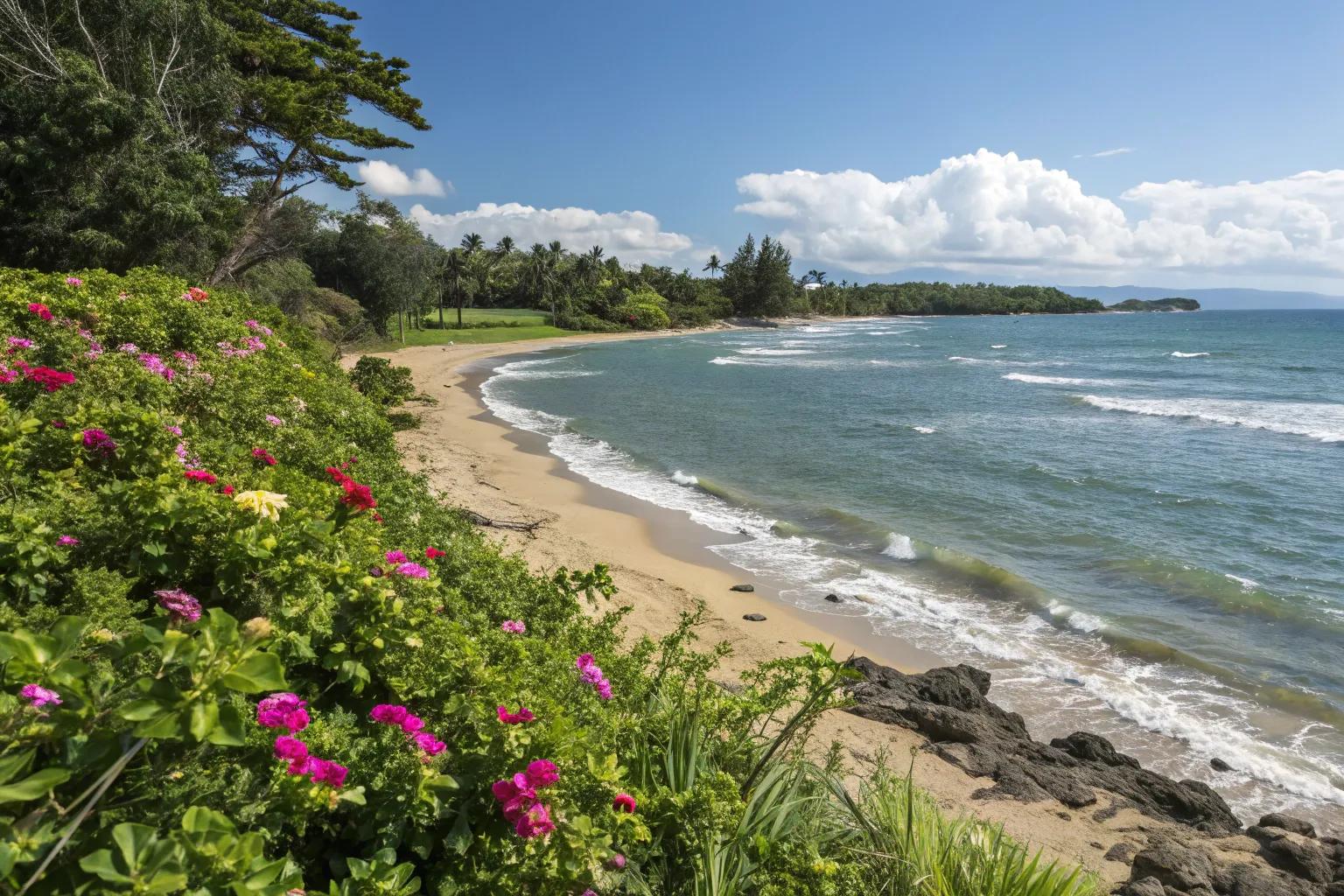
Living by the water is a dream for many, but creating a stunning and sustainable shoreline landscape can be a bit tricky. With the right ideas, you can turn your waterfront into a breathtaking oasis that complements the natural beauty of your surroundings.
1. Create a Natural Buffer Zone

A buffer zone acts as a natural barrier that helps filter runoff before it reaches the water. I’ve found that using native plants not only supports local wildlife but also requires less maintenance, a core concept in many backyard forest landscape ideas. Choose a mix of shrubs, grasses, and wildflowers to create a colorful, textured look that changes with the seasons.
2. Design a Rain Garden

A rain garden is a lovely way to manage stormwater runoff while adding beauty to your landscape. I’ve noticed that placing these gardens near driveways or patios effectively captures excess water. For more inspiration on using compact areas, explore these small area landscaping ideas. Fill them with water-loving plants like irises and cannas for a lush, tropical feel.
3. Incorporate Perennial Flowers and Grasses

Perennials bring long-lasting color and texture to your shoreline garden. I always recommend choosing varieties that thrive in your specific climate. Mixing grasses like switchgrass with coneflowers creates a dynamic, drought-tolerant landscape that sways beautifully in the breeze.
4. Use Containers for Tough Spots

For areas with rocky or poor soil, containers are a lifesaver. I often use large, decorative pots filled with drought-tolerant plants like sedums and geraniums. They allow you to add pops of color and greenery without battling challenging ground conditions, and they’re also a great solution for awkward spaces; see these corner yard landscaping ideas for examples.
5. Rethink Your Lawn

Near the water, a traditional lawn might not be the best choice. I’ve started embracing more natural, low-maintenance alternatives like clover or no-mow grasses. These options help reduce runoff and require fewer chemicals, benefiting the environment and your schedule.
6. Stabilize with Native Trees and Shrubs

Planting native trees and shrubs is crucial for shoreline stabilization. Their roots help prevent erosion and provide habitat for local wildlife. I love watching how these plants change with the seasons, offering beauty and function year-round.
7. Add Hardscaping with Natural Materials

Incorporating hardscaping with natural materials like stone or wood adds structure and durability. I prefer using permeable options like gravel paths or wooden decks. These allow water to pass through, minimizing runoff and blending seamlessly with the environment.
8. Enhance with Mulching

Mulching is a simple yet effective way to give your landscape a polished look while conserving moisture. I often use stones or crushed gravel for a natural appearance. In addition to ground cover, this material is also excellent for paths, as seen in these stone walkway ideas. Not only does it keep the soil healthy, but it also reduces weed growth and erosion.
9. Create a Sandy Beach Area

If your shoreline allows, consider adding a small sandy beach area. It offers a perfect spot for relaxation and enjoyment. A beach day is also a great opportunity for some creative beach crafts ideas. I’ve found that using natural boulders to frame the sand helps maintain the area and adds a touch of rustic charm.
10. Design a Private Cove

For those who crave privacy, a private cove can be a delightful addition to your shoreline. This secluded spot can be created with careful planting and positioning of natural elements, much like the strategies used in these corner yard landscaping ideas. It becomes a personal retreat, away from prying eyes.
11. Install an Anchored Log Shoreline

Anchored logs provide a natural barrier against erosion while blending beautifully with the shoreline. I love using them as informal seating areas too. They create a rustic touch that fits perfectly with a natural waterfront aesthetic. This focus on natural beauty is a great principle for any space, as you can see in these mobile home landscaping ideas.
12. Revitalize with Partial Bulkhead Removal

If you have a bulkhead, consider removing a portion to enhance natural beauty and water flow. I’ve seen how this can create a more organic shoreline with improved habitat space. It allows for a smoother transition between land and water. Speaking of transitions, guiding guests is just as important; consider these inviting walkway landscaping ideas.
13. Opt for a Naturalized Bulkhead

Replacing traditional bulkheads with natural materials can enhance both aesthetics and stability. I recommend using boulders and other natural stones to create a naturalized bulkhead. This approach protects the shoreline while offering a more visually pleasing environment.
14. Embrace Eco-Friendly Lighting

Adding subtle, eco-friendly lighting to your shoreline can create a magical atmosphere. I prefer solar-powered options that highlight pathways and key features, a technique often used in water-wise designs like these desert pool landscaping ideas. It’s an easy way to enjoy your waterfront even after the sun goes down.
15. Use Riprap for Erosion Control

Riprap, or strategically placed rocks, can effectively prevent erosion. I’ve found it particularly useful on steeper banks where water action is stronger. It not only stabilizes the shoreline but also adds a rugged beauty to the landscape.
16. Incorporate Seasonal Plantings

Incorporating seasonal plantings keeps your landscape vibrant and ever-changing. I love using spring bulbs and autumn foliage to add bursts of color throughout the year. This approach works wonderfully even in compact yards, as shown in these small area landscaping ideas. It’s a simple way to keep your shoreline looking fresh and inviting.
17. Plan for Sustainable Maintenance

Sustainable maintenance is key to keeping your shoreline beautiful without excessive effort. I suggest setting up a routine that focuses on natural pest control and choosing plants that require minimal watering; you can find inspiration in these drought-tolerant landscaping ideas. This approach not only saves time and resources but also supports a healthier environment.